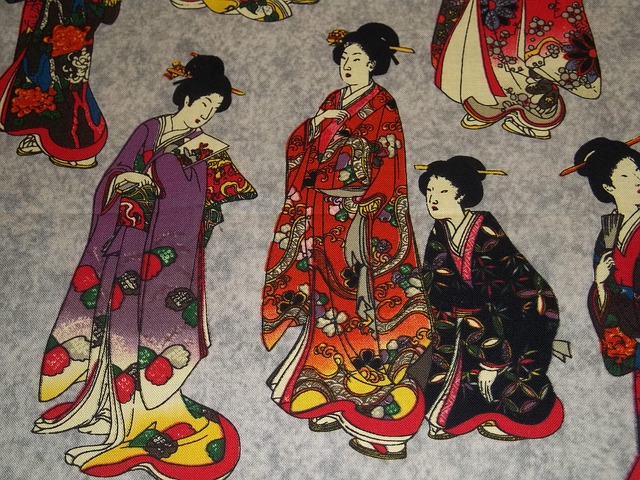
Traditional clothing in Japan has played an important role in shaping Japanese
culture and identity for centuries. The most recognizable traditional garment is
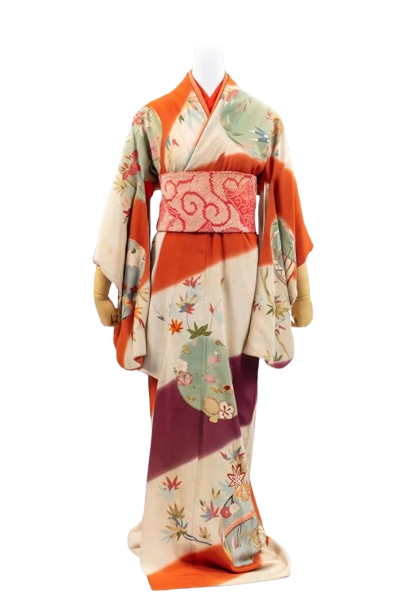
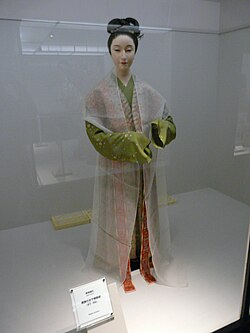
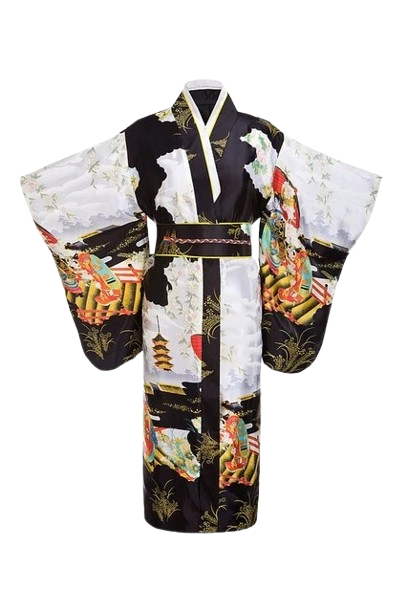
the kimono, a long robe tied with a sash called an obi. Early Japanese clothing
was heavily influenced by Chinese styles during the Heian period (794 through 1185),
but over time Japan developed its own unique fashion traditions. During the Edo
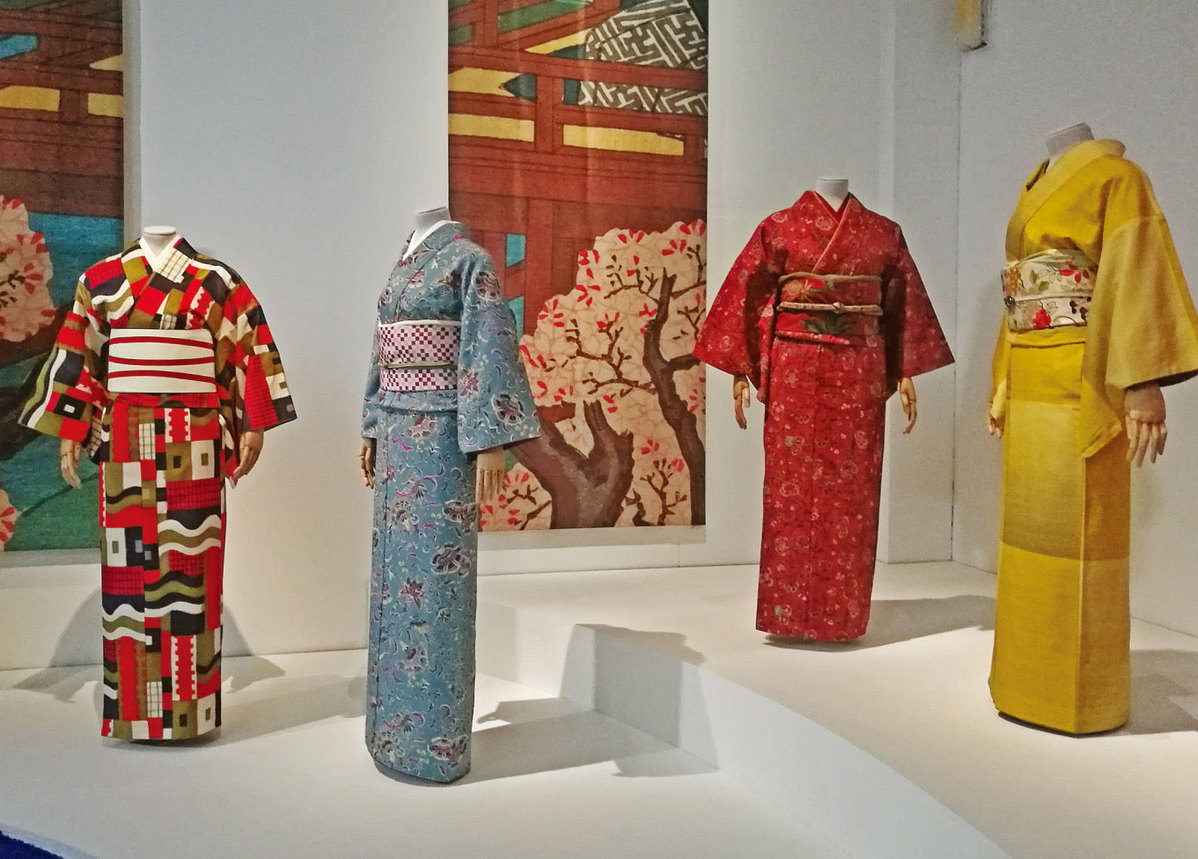
period (1603 through 1868), clothing became closely connected to social class, seasons,
and ceremonies. Specific colors, fabrics, and patterns often represented nature,
family status, or important cultural values such as harmony and respect. Traditional
clothing is still worn today during festivals, weddings, tea ceremonies, and other
important events, helping preserve Japanese history and customs. Even modern
Japanese fashion and design continue to reflect the simplicity, elegance, and
attention to detail found in traditional clothing.