Tea has been an important part of culture in Japan for hundreds of years and
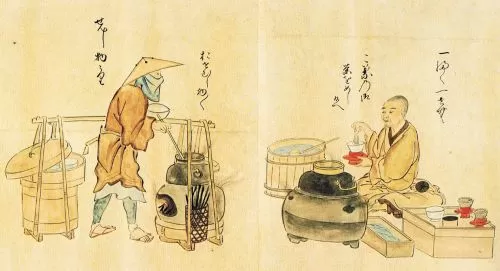
represents more than just a drink. Tea was first introduced to Japan from China
by Buddhist monks around the 9th century and was originally used during religious
practices and meditation. Over time, the Japanese tea ceremony, known as chanoyu
or sado, developed into a respected cultural tradition focused on harmony,
respect, purity, and tranquility. During the 1500s, tea master Sen no Rikyu helped
shape the ceremony into the simple and peaceful practice recognized today.
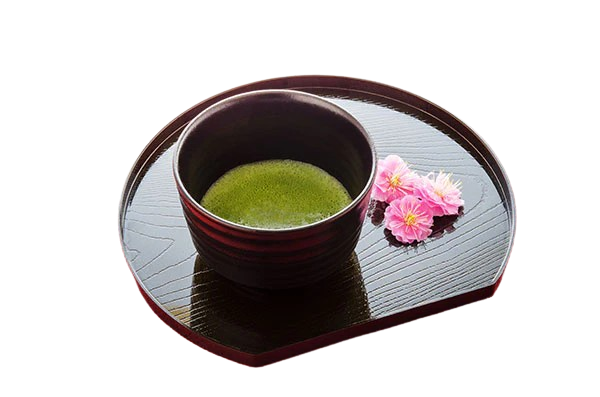
Traditional tea ceremonies often use matcha, a powdered green tea prepared carefully
with special tools and rituals. The tea tradition has strongly influenced Japanese
culture by encouraging mindfulness, hospitality, and appreciation for simplicity and
nature. Even today, tea remains an important part of daily life, celebrations, and
cultural events throughout Japan.