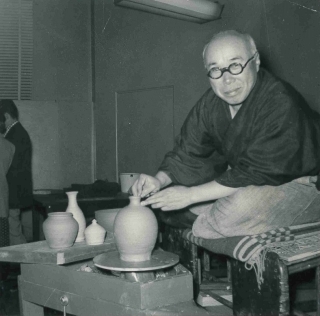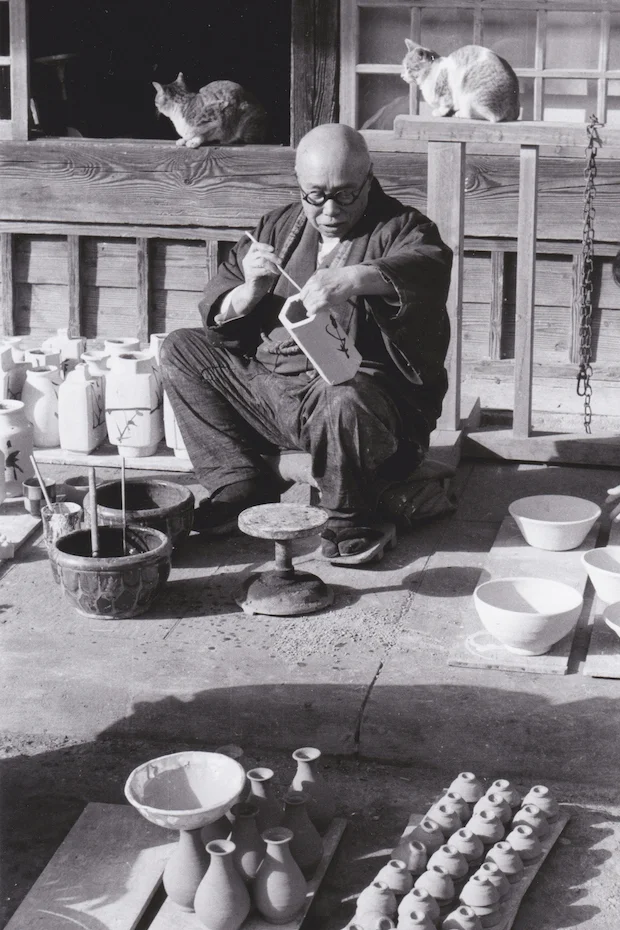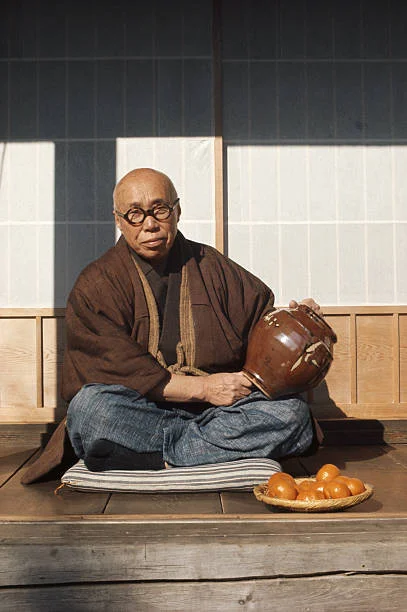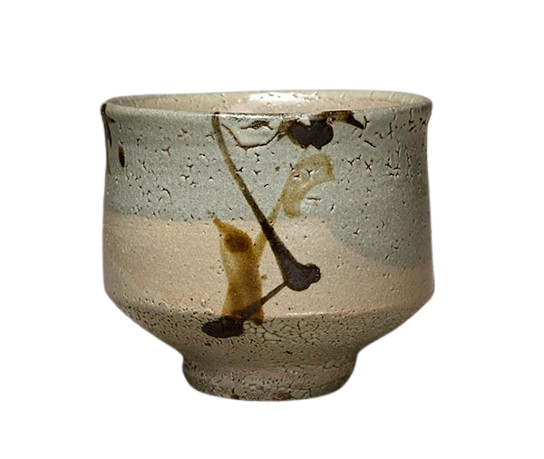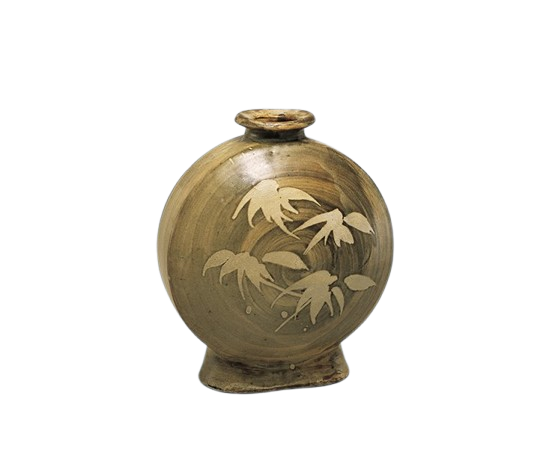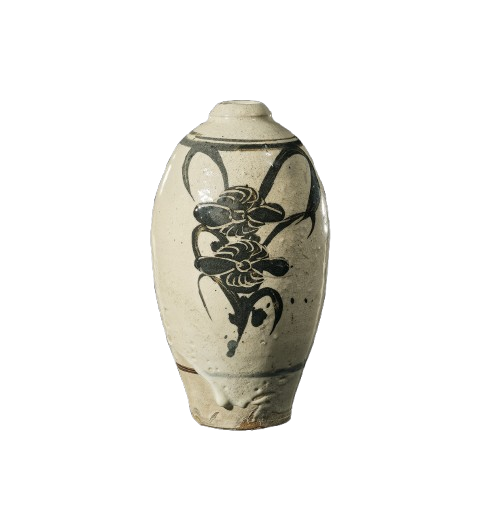
Shoji Hamada was one of the most influential ceramic artists in modern Japanese history and a key
figure in the folk craft movement known as Mingei. He was born in 1894 in Kawasaki, Japan, during a
time when the country was rapidly modernizing. From a young age, Hamada showed interest in handmade
objects and craftsmanship, but he did not originally set out to become an artist. He later studied
ceramics at the Tokyo Higher Industrial School (now Tokyo Institute of Technology), where he was
trained in both traditional Japanese pottery methods and new industrial techniques. During this time,
he met fellow potters such as Kawai Kanjiro, and he was strongly influenced by the idea that everyday
handmade objects could be both beautiful and useful. A major turning point in his life came when he
traveled to England in 1919 with British potter Bernard Leach. Their friendship deeply shaped his
artistic philosophy and helped connect Japanese pottery traditions with Western studio pottery
movements. Hamada eventually settled in Mashiko, a rural town in Japan, where he established his kiln
and workshop. He became famous for reviving and preserving traditional Japanese folk pottery rather
than creating highly decorative or elite art pieces. Instead, he focused on simple, functional ceramics
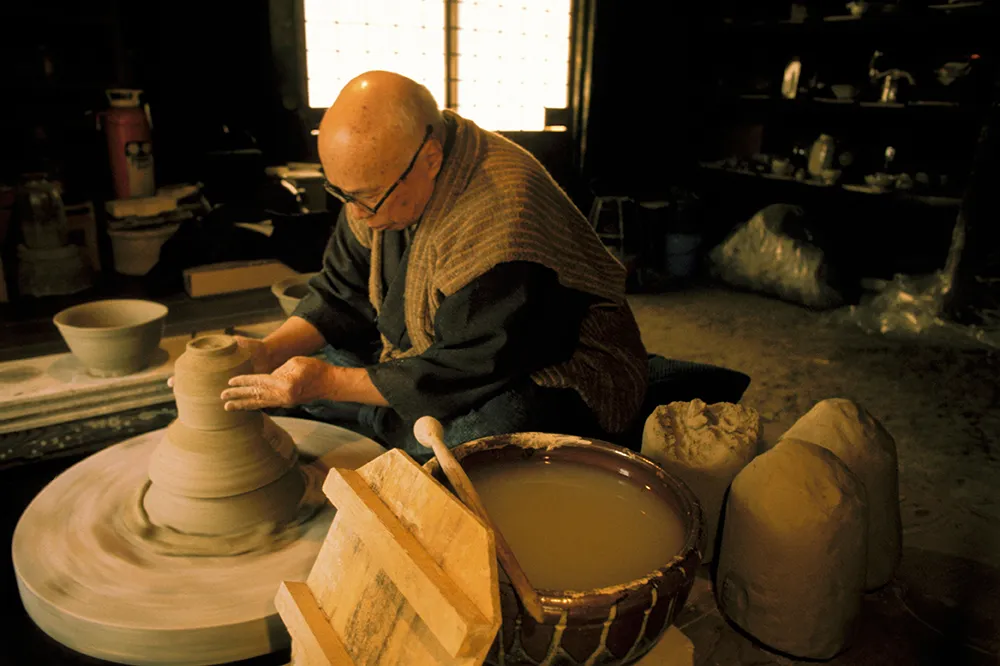
designed for daily use, such as bowls, plates, and tea ware.His techniques included wheel throwing,
natural ash glazing, and the use of traditional Japanese glaze styles such as shino, nuka, and tenmoku.
He often allowed natural kiln effects, like drips, cracks, and ash markings, to remain visible, believing
they added character and beauty to each piece. He also used stamping, rope-impressed textures, and layered
glazes to create subtle surface variation. Hamada became internationally recognized not only for his
craftsmanship but also for his philosophy. He believed that handmade objects should reflect the culture
and life of ordinary people rather than being treated as elite fine art. Because of his influence, he
was later named a 'Living National Treasure' in Japan, and his work continues to shape ceramics around
the world today.